
Welcome to DongGuan ChengYang, your premier source for CNC machining services for Texas. We pride ourselves on delivering high-quality precision machining services to meet the unique needs of our clients. With state-of-the-art equipment and a team of skilled technicians, we are dedicated to providing top-notch solutions for all your machining needs.
Our company specializes in CNC machining services for Texas, offering a wide range of capabilities to cater to various industries. From prototyping to production runs, we have the expertise to handle projects of all sizes with efficiency and precision. Whether you require custom parts or components, our team is committed to delivering exceptional results that exceed your expectations.
When you choose DongGuan ChengYang for your CNC machining needs in Texas, you can trust that you are partnering with a trusted and reliable service provider. We prioritize customer satisfaction and strive to deliver cost-effective solutions that meet your specifications and deadlines. Contact us today to learn more about our CNC machining services and how we can help bring your projects to life.
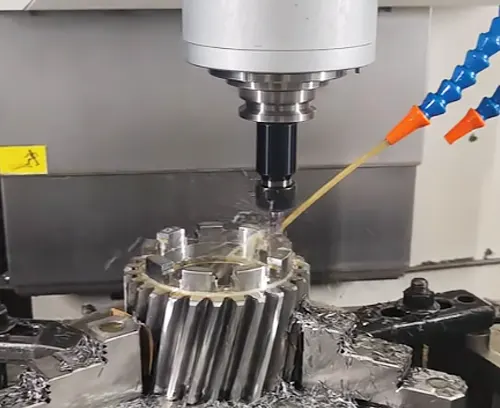
CNC Milling
Equipped with CNC mills for precision machining, producing high-performance parts efficiently for our clients.
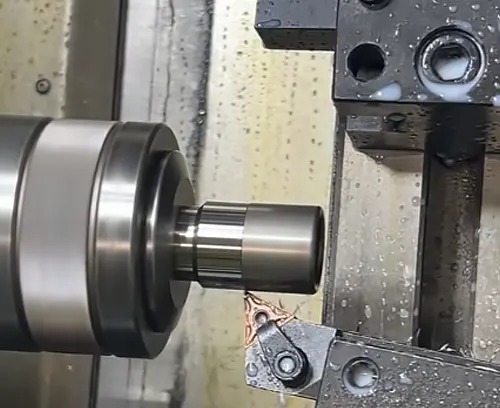
CNC Turnning
Our CNC lathes, turning centers, and mill-turn equipment enable us withefficiency to fabricate a broad range of parts for every client.
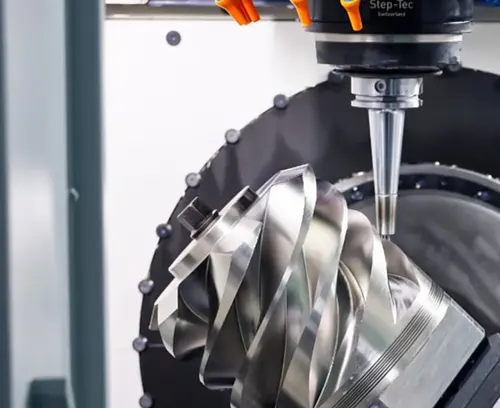
5 Axis CNC Milling
Equip with 5-axis machining technology for intricate and precision-engineered components. Featuring quick machining, it's perfect for elaborate designs.
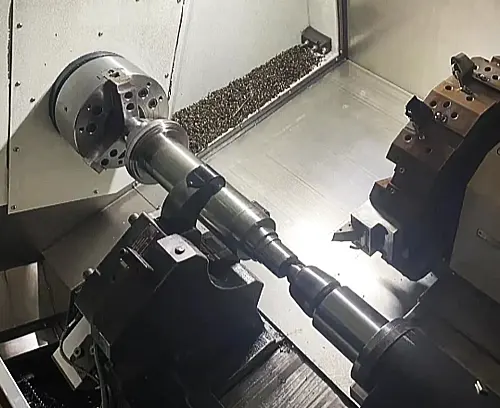
Precision Machining
Ensure precision-driven fabrication by aligning different manufacturing stages to maximize efficiency, precision, and minimize delays, delivering consistent and superior results.

Sharp Corner

Undercut

Undercut

Thick Walls

Tolerance Guide

Small Hole

Narrow Area
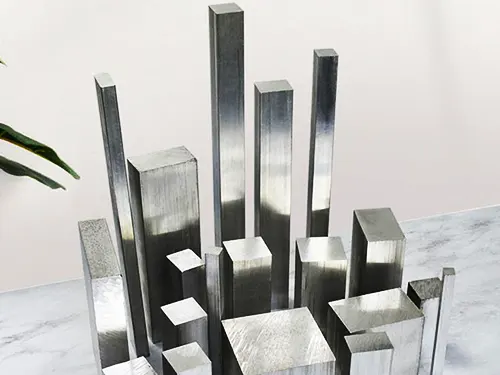
Aluminum
It is a widely used material in CNC machining due to its lightweight, high strength-to-weight ratio, corrosion resistance, and excellent machinability.
It is commonly chosen for manufacturing a variety of parts and components, such as automotive parts, electronic enclosures, and aerospace components.
Some common types of aluminum materials used in CNC machining include 6061 aluminum, known for its versatility and good weldability; 7075 aluminum, which is highly durable and has high strength; and 2024 aluminum, valued for its good machinability and excellent finishing characteristics.
Other popular types of aluminum used in CNC machining include 5052, 5083, and 6063, each with its own unique attributes that make them suitable for different applications.
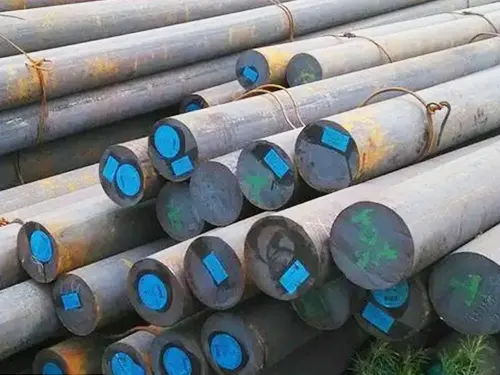
Carbon steel
It is a popular material for CNC machining due to its strength, durability, and affordability. It is made up of iron and carbon, with carbon content typically ranging from 0.12% to 2%.
Common types of carbon steel used in CNC machining include low carbon steel, medium carbon steel, and high carbon steel.
Low carbon steel, also known as mild steel, is easy to shape, weld, and machine, making it suitable for a wide range of applications. Medium carbon steel offers higher strength and hardness, making it ideal for parts that require more wear resistance.
High carbon steel is the strongest and toughest of the three types, often used for cutting tools and springs.
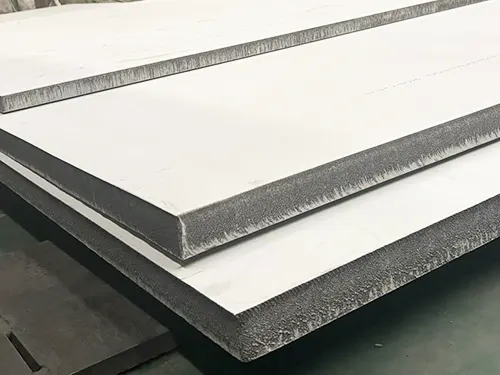
Stainless steel
It is a versatile material widely used in CNC machining due to its exceptional strength, corrosion resistance, and durability.
It is an alloy of iron, containing at least 10.5% chromium, which forms a protective layer on the surface, preventing rust and corrosion.
Common types of stainless steel used in CNC machining include 303 stainless steel, known for its excellent machinability and corrosion resistance;
304 stainless steel, a non-magnetic grade suitable for a wide range of applications; and 316 stainless steel, highly resistant to corrosion and ideal for harsh environments.
Other popular grades include 316L, 410, and 17-4 PH stainless steel, each offering unique properties for specific machining requirements.
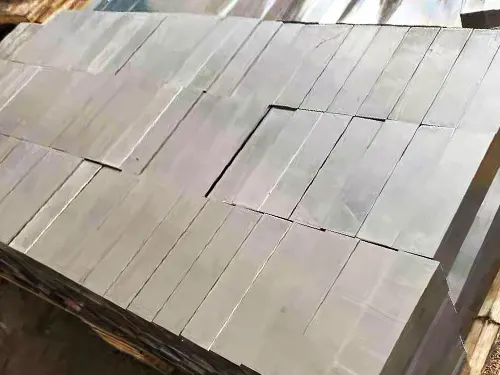
Tool steel
It is a type of steel that is specifically designed for cutting, shaping, and forming materials using CNC machining. It is known for its high hardness, strength, and wear resistance, making it ideal for withstanding the intense heat and pressure generated during the machining process.
Some common types of tool steel used for CNC machining include A2 tool steel, D2 tool steel, M2 tool steel, and O1 tool steel.
A2 tool steel is known for its high toughness and excellent wear resistance, while D2 tool steel is valued for its high abrasion resistance and good dimensional stability.
M2 tool steel is prized for its resistance to heat and wear, making it suitable for high-speed machining applications. O1 tool steel is known for its superior oil-hardening properties and machinability.
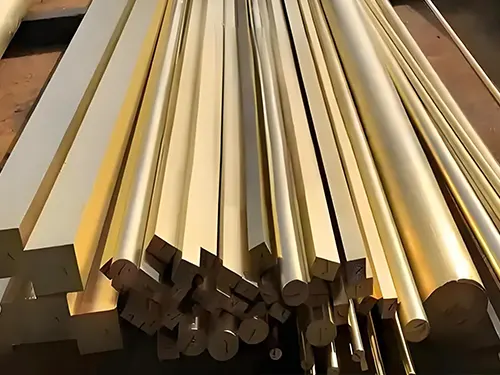
Brass
It is widely used in CNC machining for its excellent machinability, corrosion resistance, and attractive appearance. It is a popular material choice for various components and parts due to its versatility and durability.
Common types of brass materials used in CNC machining include C260 (cartridge brass), C360 (free-cutting brass), C464 (naval brass), and C485 (leaded naval brass).
Each type of brass offers unique properties that make them suitable for different applications in industries such as automotive, aerospace, electronics, and more.
With its ability to be easily machined to precise specifications, brass remains a preferred material for CNC machining projects that require high-quality finishes and exceptional performance.
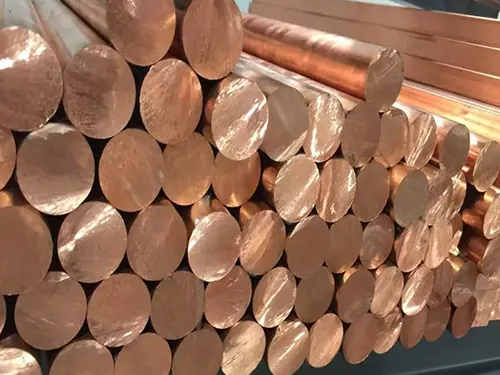
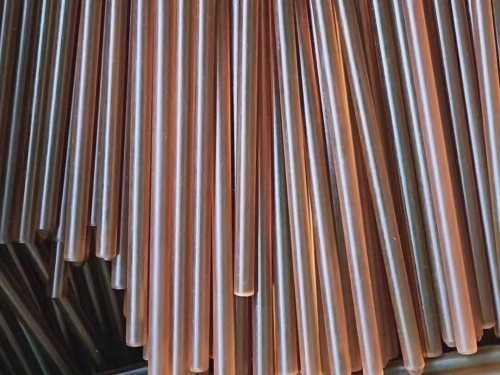
Copper
It is a versatile and highly conductive metal known for its excellent electrical and thermal properties.
With its distinctive reddish-orange color and natural corrosion resistance, copper is widely used in electrical wiring, plumbing, heat exchangers, and roofing materials. It offers high ductility, allowing it to be easily formed into wires, sheets, and complex components without losing strength.
Copper also has antimicrobial properties, making it valuable in medical and food-related applications.
Due to its recyclability and long service life, copper is considered an environmentally friendly material and plays a critical role in renewable energy systems such as solar panels and electric vehicles.
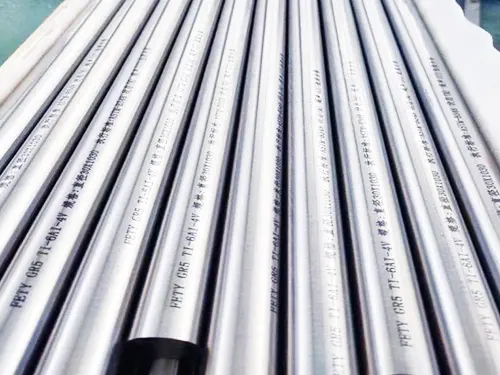
Titanium
It is a versatile material commonly used in CNC machining due to its excellent strength-to-weight ratio, corrosion resistance, and biocompatibility.
Its high melting point and low thermal conductivity make it ideal for applications that require durability and reliability.
Common types of materials used in CNC machining, along with Titanium, include aluminum, stainless steel, brass, copper, and various types of plastics like ABS and nylon.
Each material has unique properties that make them suitable for different applications, from prototyping to production.
It is essential to choose the appropriate material based on the specific requirements of the project to ensure high-quality results in CNC machining processes.
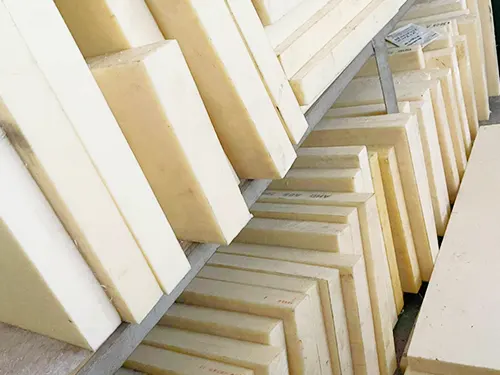
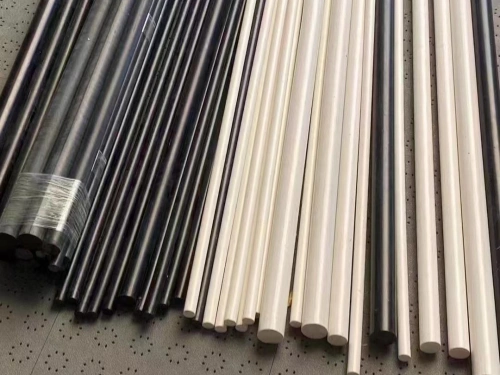
ABS
Acrylonitrile Butadiene Styrene, is a common thermoplastic material widely used in CNC machining. It is known for its strong impact resistance, durability, and low cost, making it a popular choice for producing functional prototypes, automotive parts, and consumer products.
One of the key advantages of ABS in CNC machining is its ability to be easily machined, sanded, and painted, allowing for intricate and precise designs to be created.
However, ABS does have some disadvantages, such as its tendency to warp or shrink when exposed to temperature changes, making it less suitable for applications requiring tight tolerances. Additionally, ABS can produce unpleasant fumes when heated, requiring proper ventilation in the machining environment.
PMMA
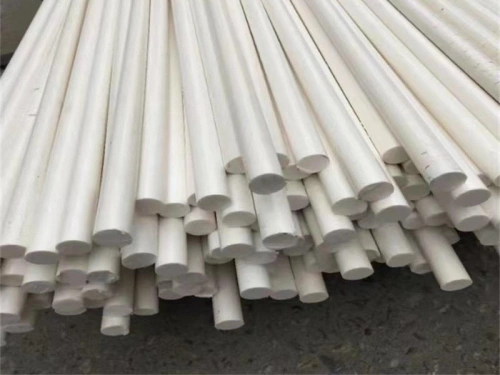
Polymethyl methacrylate, is a versatile material commonly used in CNC machining due to its excellent machinability and optical properties. One of the main advantages of PMMA is its transparency and ability to transmit light, making it a popular choice for applications that require high optical clarity, such as lenses or display screens. Additionally, PMMA is lightweight, easy to shape, and resistant to impact.
However, one of the main disadvantages of PMMA is its tendency to scratch easily, which can affect the overall appearance of the finished product.
Furthermore, PMMA is not as heat resistant as other materials like metal, which can limit its use in high-temperature environments.
PE
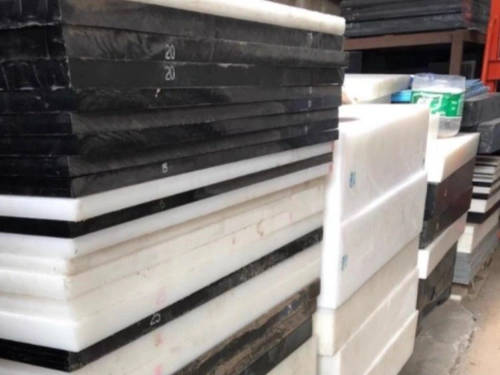
Its stands for “Programmable Electronic” for CNC machining, which refers to the ability to input instructions for the CNC machine to follow through electronic means. This allows for greater precision and accuracy in the machining process.
One advantage of PE for CNC machining is the ability to easily make changes to the program without needing to physically alter any machinery, saving time and increasing productivity. Additionally, PE allows for complex and intricate designs to be accurately replicated with minimal margin for error.
However, a disadvantage of PE for CNC machining is that it requires a higher level of technical expertise to operate and troubleshoot, as well as potentially higher upfront costs for the necessary technology.
Nylon
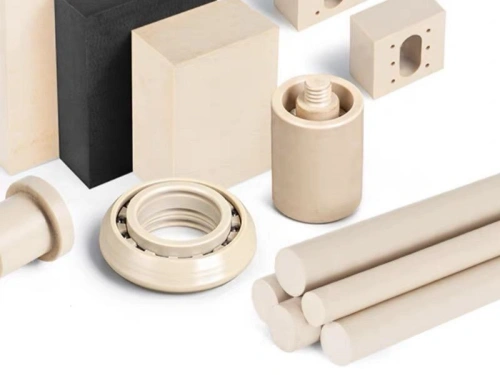
It’s a versatile material utilized in CNC machining due to its exceptional mechanical properties. One of the key advantages of using Nylon in CNC machining is its high strength-to-weight ratio, making it ideal for creating durable and lightweight parts.
Additionally, Nylon is known for its excellent wear resistance, making it suitable for applications where the part will be subject to friction or abrasion.
However, Nylon also has its drawbacks in CNC machining. One disadvantage is that Nylon can absorb moisture, which may affect the dimensional stability of the part.
Furthermore, Nylon has a tendency to warp if not properly controlled during the machining process, requiring careful consideration and expertise to achieve desired results.
PEEK
Polyetheretherketone, is a high-performance thermoplastic material commonly used in CNC machining due to its exceptional strength, heat resistance, and chemical compatibility.
One of the main advantages of using PEEK in CNC machining is its ability to maintain high dimensional stability, even under high temperatures. This makes it ideal for applications requiring tight tolerances and excellent mechanical properties.
However, a potential disadvantage of PEEK is its high cost compared to other plastics, which may limit its use in some projects. Additionally, PEEK can be challenging to machine due to its high abrasiveness, requiring specialized tools and equipment to achieve optimal results.
Despite these drawbacks, PEEK remains a popular choice for manufacturers seeking quality, durable components for various industries.
PC
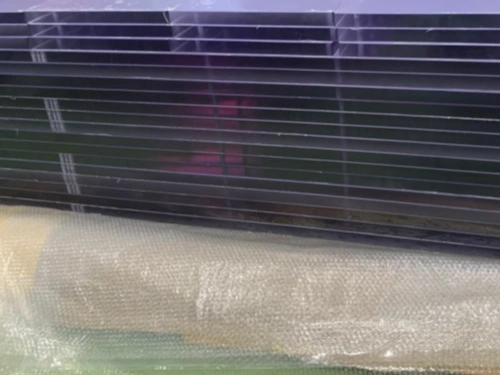
It for CNC machining, also known as Personal Computer Numerical Control, is a computer-based control system that is used to operate CNC machines.
One of the biggest advantages of using a PC for CNC machining is its flexibility and ease of use. With a PC, operators can easily program and modify CNC machine instructions, leading to greater accuracy and precision in the manufacturing process.
Additionally, PC-based systems are often more cost-effective than traditional CNC controllers. However, one disadvantage of using a PC for CNC machining is the potential for compatibility issues between software and hardware components.
Additionally, PCs may be more susceptible to viruses and malware, potentially compromising the security of the CNC machining process.
PP
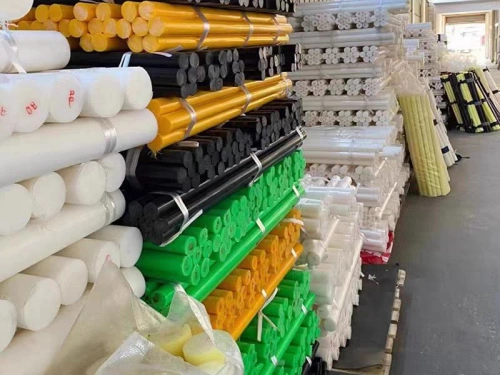
Polypropylene is a common material used in CNC machining due to its versatility and cost-effectiveness. Its advantages include high chemical resistance, good impact strength, and excellent crack resistance.
PP is also lightweight, making it suitable for applications where weight is a concern. However, PP has some disadvantages as well, such as low temperature resistance, poor UV resistance, and low rigidity compared to other materials.
Additionally, PP can be difficult to bond with adhesives or paint, limiting its aesthetic appeal. Despite these drawbacks, PP remains a popular choice for CNC machining due to its overall performance and affordability.
PET
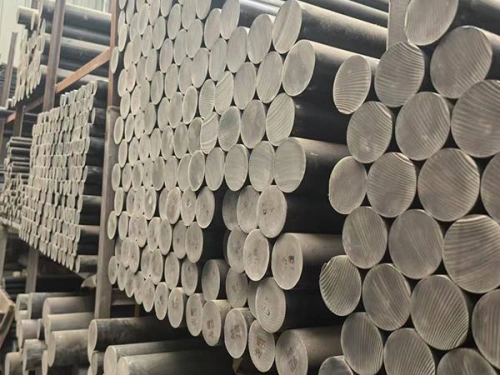
It stands for Polyethylene Terephthalate, a type of plastic material that is commonly used in CNC machining for its desirable properties.
PET is known for its high strength, toughness, and resistance to chemicals, making it a popular choice for manufacturing a wide range of products. Its advantages include excellent dimensional stability, easy machinability, and low cost.
However, PET does have some disadvantages, such as poor heat resistance and limited chemical resistance compared to other engineering plastics.
Additionally, PET can be more challenging to bond or join together, which may limit its use in certain applications. Despite its drawbacks, PET remains a valuable material in CNC machining for its overall versatility and cost-effectiveness.
POM
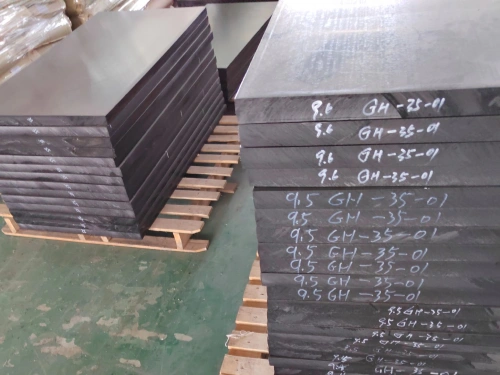
(Polyoxymethylene), also known as acetal or Delrin, is a high-performance engineering thermoplastic known for its excellent mechanical properties and dimensional stability.
It offers high stiffness, low friction, and superior wear resistance, making it ideal for precision parts that require strength and durability.
POM is widely used in automotive, electronics, and consumer goods industries for components such as gears, bearings, fasteners, and housings. It also features good chemical resistance and low moisture absorption, ensuring stable performance in both dry and humid environments.
With its ease of machining and injection molding, POM is a preferred material for complex parts that demand tight tolerances and long service life.
PVC
Polyvinyl chloride, is a widely used material in CNC machining due to its versatility and cost-effectiveness.
Its advantages include high strength, durability, and resistance to corrosion, making it suitable for a wide range of applications. Additionally, PVC is easy to machine and can be shaped into complex designs with precision.
However, one major disadvantage of PVC is its poor thermal stability, which can lead to melting or warping at high temperatures. This limits its use in applications that require resistance to heat or fire.
Despite this limitation, the benefits of PVC in CNC machining, such as its affordability and ease of processing, make it a popular choice for various industries.

 15°C
15°C
- Temperature
- Precipitation
- Rain Chance
- Wind
- Humidity
- Pressure